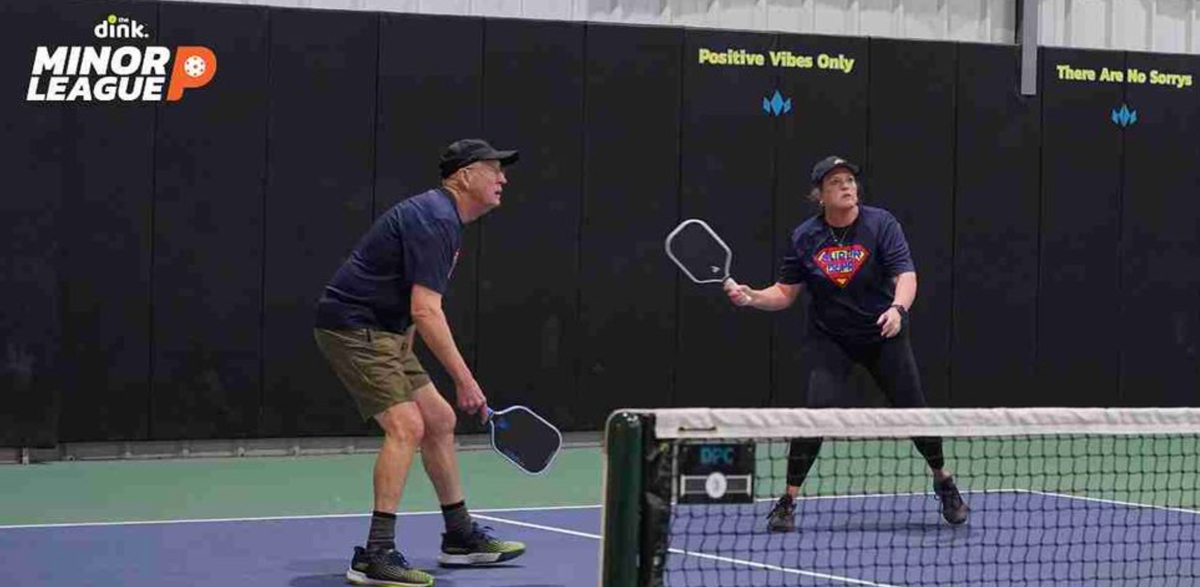
Overthinking in pickleball is often misidentified as a lack of caution, but it is actually a timing issue that manifests as late footwork and last-second adjustments. When you consciously monitor mechanics you have already automated—a phenomenon known as reinvestment—you interfere with your body’s natural ability to execute, leading to unforced errors.
Three Signs You Are Overthinking Your Shots
If you find yourself struggling with consistency during rallies, you may be falling victim to one of these three common signs of overthinking:
- You are still deciding when the ball arrives: The most obvious indicator is making your shot selection at the moment of contact rather than at the bounce. Good players finalize their decision early, while overthinkers try to process information mid-swing. This leads to stagnant feet and late paddle changes. To fix this, set a hard deadline: commit to your shot the moment the ball crosses the net. Focus only on two variables—ball height and your own court position—to simplify your decision-making.
- You can hear your own swing thoughts: If you are mentally narrating instructions like "bend your knees," "low to high," or "soft hands," you are overloading your brain during a shot that lasts only a fraction of a second. These competing thoughts distract you from tracking the ball. Instead of a checklist, use one single cue per session, such as "land it before the line" or "paddle in front." Sticking to one intention helps crowd out internal noise and improves focus.
- Your shot selection collapses into one gear: When the mental load becomes too heavy, the brain often defaults to a single, repetitive behavior to avoid the stress of decision-making. This results in players who either "turtle" and reset every ball—even those they should attack—or players who swing aggressively at everything to avoid the discomfort of choosing. Recognize that this binary behavior is a sign of decision fatigue, not a tactical preference, and work to re-engage with the specific requirements of each individual ball.
Ultimately, the mental side of pickleball is a skill that requires training just like your serve or dink. By simplifying your decision matrix and reducing your internal narration, you can stop "re-deciding" every point and allow your body to execute the shots you have already mastered in practice.