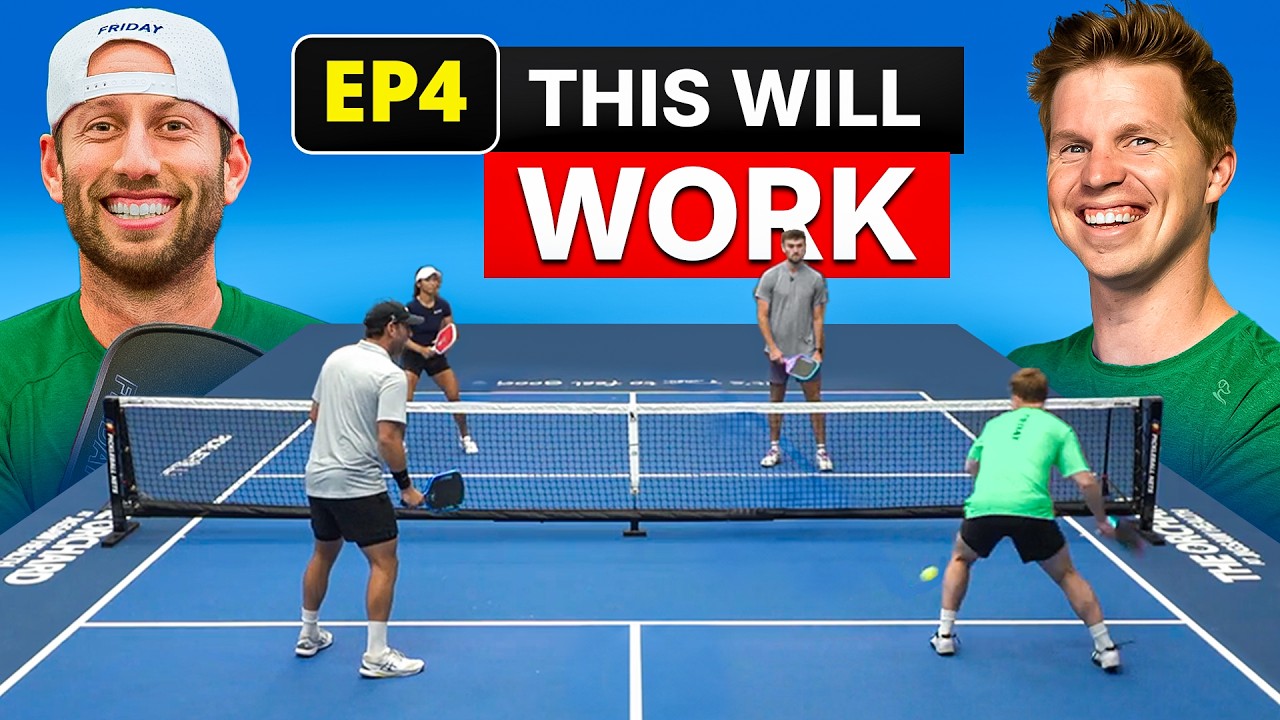
Many players mistakenly believe that applying pressure in pickleball requires hitting the ball with maximum pace, but the offensive lob is a highly effective, underutilized weapon that disrupts your opponent's rhythm without requiring extra power. By utilizing the "321 framework" popularized by Kyle Koszuta of ThatPickleballGuy, you can keep aggressive opponents off balance and force them into awkward, defensive positions.
The 3 Primary Lob Targets
To maximize the effectiveness of your offensive lob, you should prioritize these three targets in order. Establishing the first two targets creates the necessary unpredictability to make the third option viable.
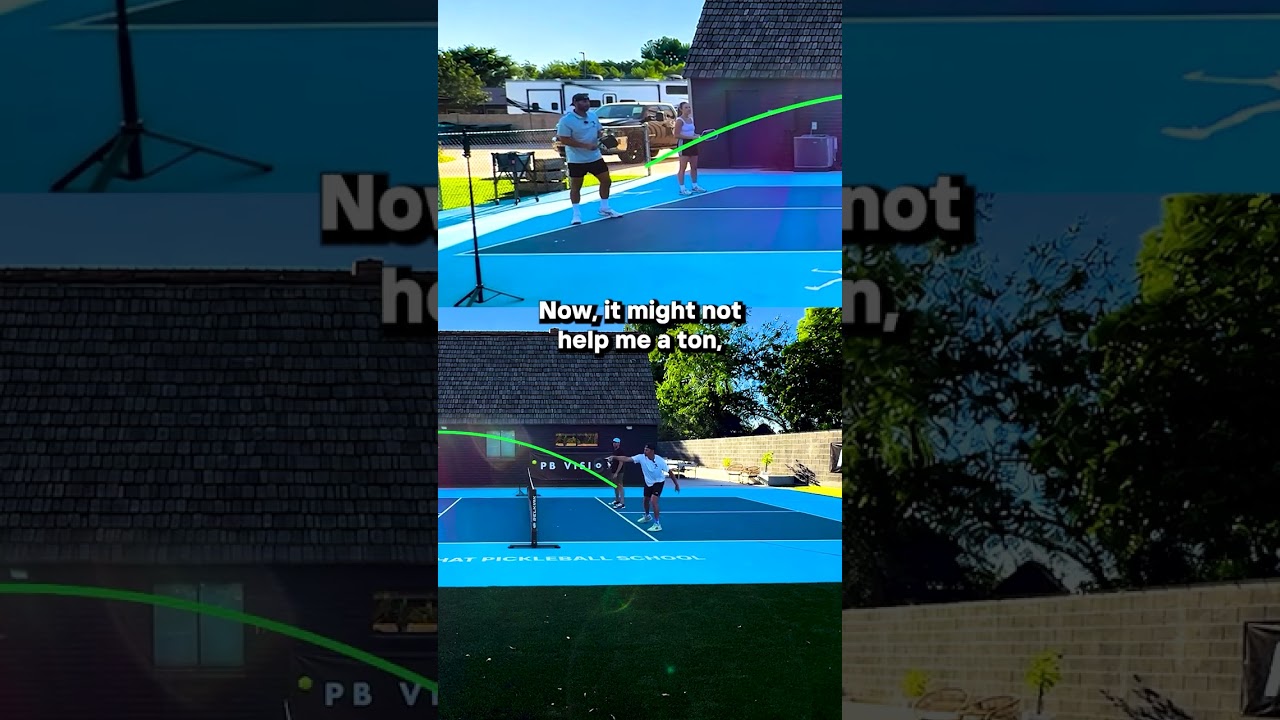
- Crosscourt to the back corner (weak side shoulder): This is your primary target. When facing two right-handed players, aiming for the backhand shoulder of the opponent on the opposite side is the most difficult ball for them to track down and return with any level of control. It also provides the largest margin for error due to the diagonal length of the court.
- Down the line (weak side shoulder): This target is best used when you notice an opponent leaning forward in anticipation of an attack. Because their weight is already shifted toward the kitchen, they are physically slower to retreat, making this shot an effective way to punish their aggressive positioning.
- The middle: This should be your final option, used only after you have successfully established the crosscourt and down-the-line lobs. By this point, your opponent will be anticipating specific trajectories, which causes them to leave the center of the court vulnerable. Note that if you are playing against a tall or highly aggressive opponent, you should be especially cautious when choosing this target.
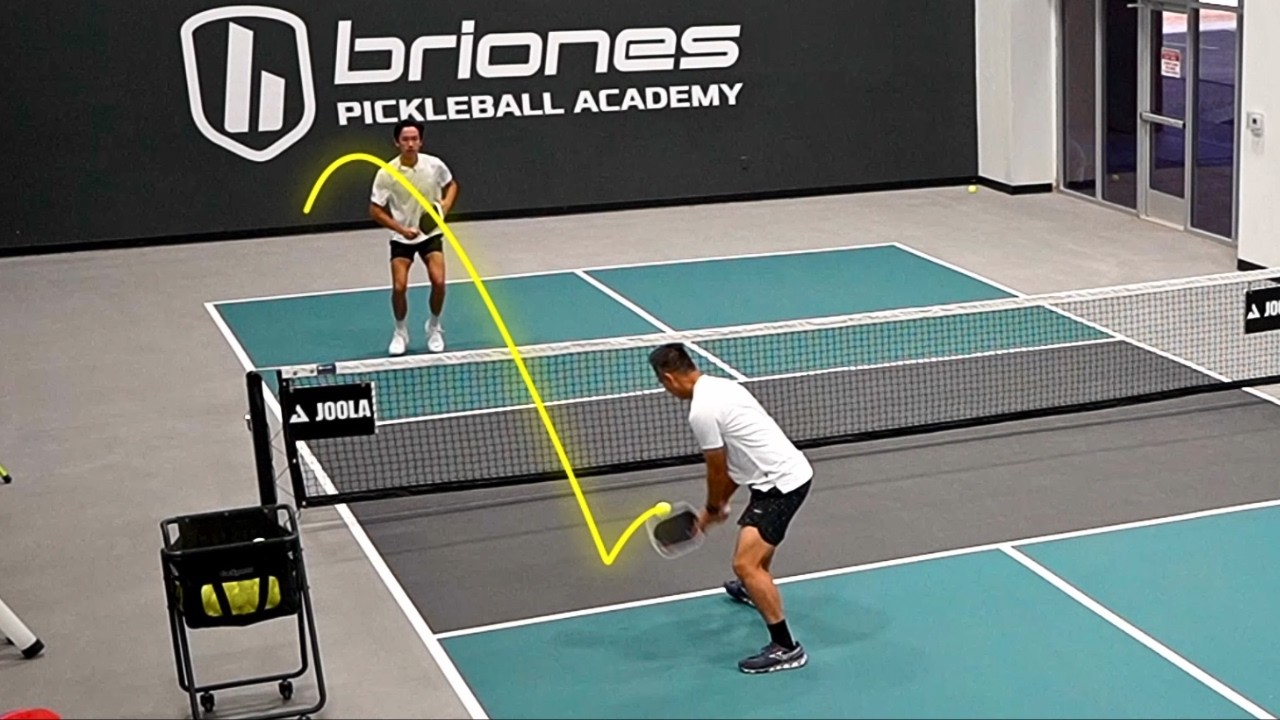
Beyond target selection, the technique you use is vital to success. Koszuta emphasizes the volley lob—taking the ball out of the air rather than letting it bounce—as the superior method. Because you are hitting the ball four feet closer to your opponent, they have significantly less time to react or read the trajectory. To execute this, maintain a wide, stable base and use a "push" motion rather than a large, telegraphed low-to-high swing. The goal is to make the shot surprising, forcing your opponent into a scramble or a foot fault.
Finally, consider adding the short hop lob to your repertoire. Popularized by veteran player Calla Dawson, this technique involves hitting the ball while it is still on the rise. Because most players expect a speed-up when the ball reaches its peak, hitting it early on the rise completely disrupts their timing and breaks their rhythm, leaving them unprepared for the ball sailing over their head.