Many common pickleball tips are repeated so frequently that players accept them as gospel without considering their validity. Professional champion Zane Navratil recently debunked several of these pervasive myths, highlighting how relying on outdated or misunderstood advice can actively hinder your development on the court.
Debunking Professional and Technical Myths
Navratil’s analysis covers misconceptions ranging from the professional landscape to specific technical mechanics. By understanding the reality behind these claims, players can refine their approach and avoid developing bad habits.
- Myth 1: Half the tour played pro tennis. In reality, only a small group of players—such as Jack Sock, Donald Young, Sam Querrey, Travis Rettenmaier, Genie Bouchard, and Tina Pisnik—have legitimate professional tennis backgrounds. Simply playing in a prize money tournament does not equate to a professional tennis career.
- Myth 2: Pros make no money. While it may not lead to generational wealth, top-50 doubles players are earning a legitimate, livable income.
- Myth 3: Pros use special paddles you cannot buy. Most professionals use standard, off-the-shelf equipment. Navratil, for example, uses his Paddletek Honeycomb model straight from the box with only an added overgrip.
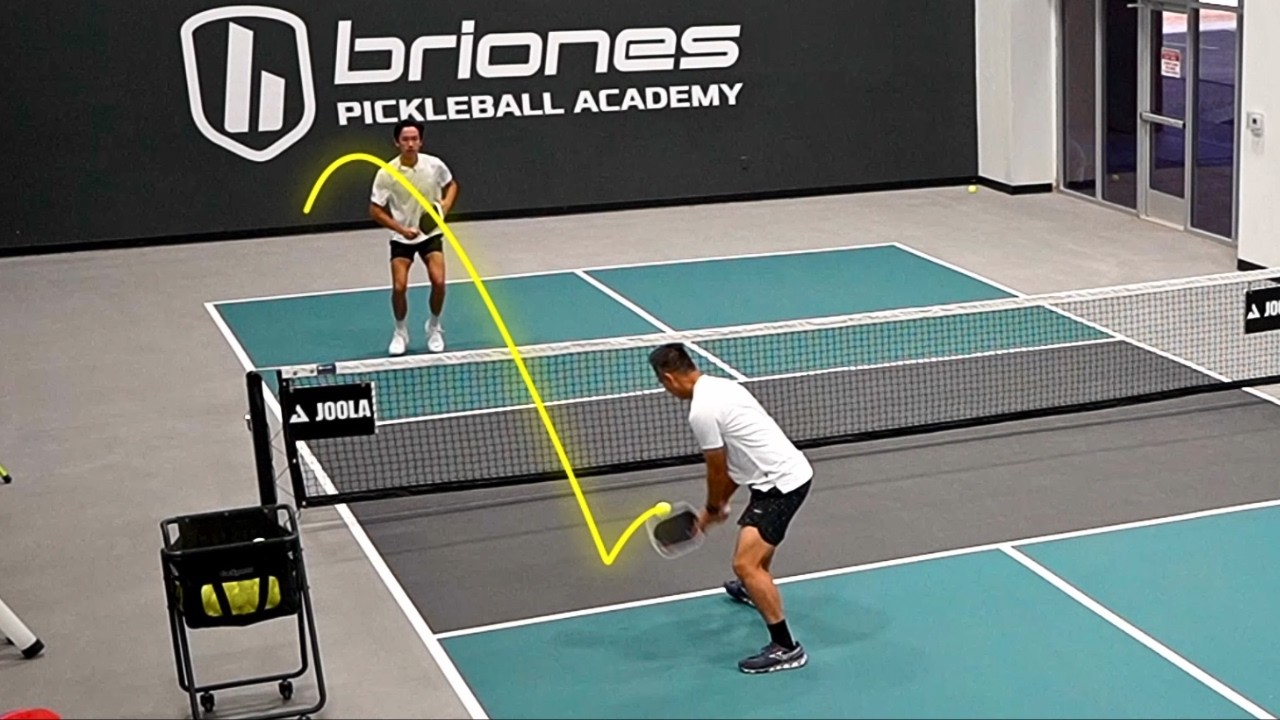
- Myth 4: The best pros never make unforced errors. Pros still miss, but they prioritize making "good errors." They intentionally miss long rather than into the net, as a ball that lands out provides no advantage to the opponent, whereas a net ball creates an easy setup.
- Myth 5: Pros grind 8 hours a day. Success is driven by intensity rather than volume. Many top players, like Anna Leigh Waters, focus on short, high-intensity sessions rather than long, grueling hours.
- Myth 6: You must use a continental grip. While the continental grip is a great starting point, it is not a rigid requirement. Some pros utilize Eastern or semi-western grips; the key is having a strategic reason for your choice rather than following a hard rule.
- Myth 7: Never take a backswing. A backswing is necessary when you have time and intend to hit with pace. The real rule is to avoid an out-of-control backswing. If the ball is landing in the kitchen, keep it compact; if you are hitting hard, a backswing is appropriate.
- Myth 8: Stop and hit. This advice is often misinterpreted. Instead of forcing a full stop, focus on maintaining balance. Sometimes, controlled motion is more effective than a rigid stop that disrupts your momentum toward the kitchen.
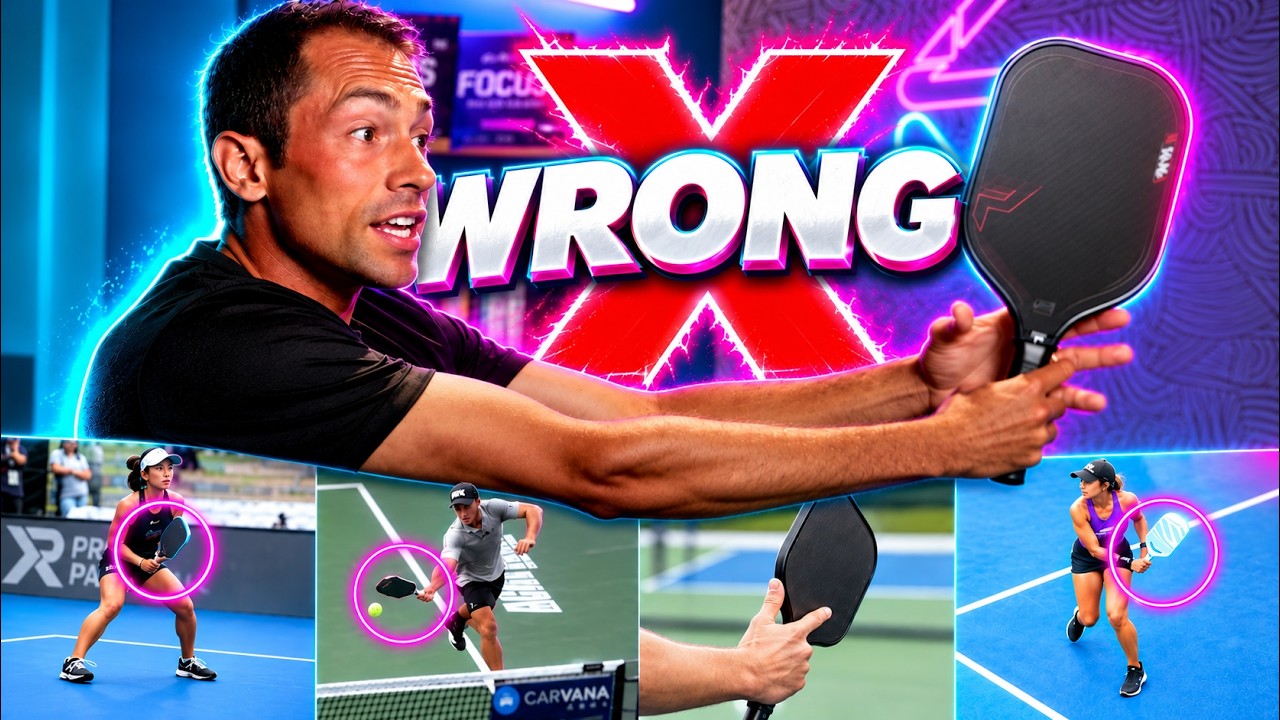
- Myth 9: Keep your paddle up. While high paddle positioning helps 3.0 to 4.0 players, pros often keep their ready position near the waist. This allows them to react more effectively to fast balls directed at the midsection.
- Myth 10: Stay low. While keeping your legs bent is crucial, hunching your spine is not. Proper form involves leg engagement without collapsing the back, and individual styles vary significantly among top players.
- Myth 11: Ready position all the way out in front. This tennis-derived habit is problematic in pickleball because the kitchen prevents you from stepping into shots. Keeping your arms slightly tighter to your body allows you to generate necessary force on volleys.
- Myth 12: Never change grips. This is generally sound advice for most players, but it becomes less applicable once you reach the 4.5 skill level, where advanced play may require more flexibility.