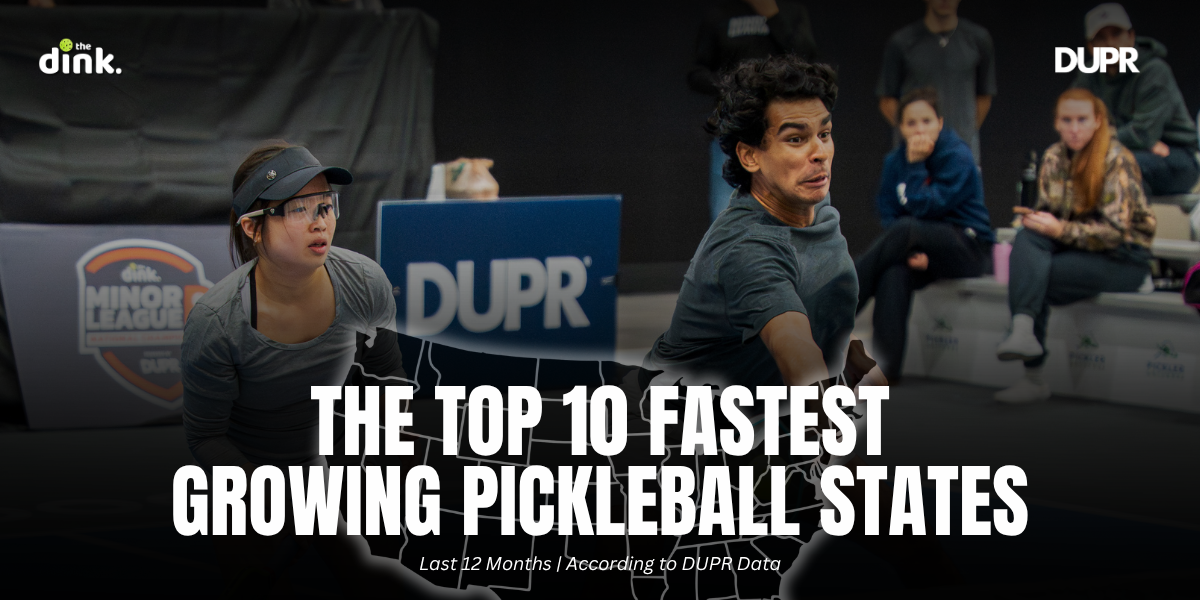
Recent data from DUPR (Dynamic Universal Pickleball Rating) highlights the states experiencing the most rapid expansion in pickleball participation over the last year. With growth rates ranging from 40% to over 50%, these regions are proving that the sport's popularity is surging well beyond traditional hotbeds like Arizona or Florida.
The Top 10 Fastest-Growing States for Pickleball
According to DUPR user metrics from the past 12 months, the following states have seen the most significant spikes in engagement:
- 10: Indiana – Showing consistent growth as the sport gains traction in the Midwest.
- 9: Michigan – Emerging as a significant hub for new players in the northern region.
- 8: Virginia – Reflecting the sport's steady climb along the East Coast.
- 7: Connecticut – Demonstrating a notable increase in organized play and ratings activity.
- 6: Oregon – Capturing the growing interest in pickleball across the Pacific Northwest.
- 5: Nevada – Building on the state's existing reputation for hosting major pickleball events.
- 4: Alabama – Surprising many by ranking as one of the top states for new player adoption.
- 3: Louisiana – Showing explosive interest that challenges traditional geographic expectations.
- 2: Mississippi – Marking a major surge in participation, signaling a new frontier for the sport.
- 1: Washington – Taking the top spot as the fastest-growing state for DUPR users, cementing its status as a powerhouse for the game.
This regional data arrives alongside the 2026 Topline Participation Report from the Sports Fitness Industry Association (SFIA), which confirms that pickleball remains the fastest-growing sport in America. The report estimates that 24.3 million Americans played the sport in 2025, a 22.8% increase year-over-year. Most impressively, participation has skyrocketed by 171.8% over the last three years.
The SFIA report further breaks down this growth into two distinct categories: casual players (1–7 sessions per year), who grew by 23.9% to reach 16.8 million people, and core players (8+ sessions per year), who increased by 20.4% to reach 7.48 million. This data suggests that while casual interest is high, the sport is successfully converting newcomers into committed, long-term players who drive the demand for leagues, tournaments, and equipment.