5 min read · 1204 words · 4 images
When you are ordering fifty or five hundred paddles for your facility, rental fleet, or corporate giveaway, the wrong choice is expensive. You do not need the latest pro-circuit hype. You need gear that survives daily abuse, keeps your members happy, and displays your brand clearly. Understanding pickleball paddle materials is the difference between a successful investment and a bin full of broken equipment after three months.
Polypropylene Honeycomb: The Industry Standard for Clubs
Stop looking for exotic core materials. For clubs, tournaments, and rental programs, polypropylene honeycomb is the only choice. It offers the best blend of structural integrity and impact absorption. It is quiet, consistent, and remarkably durable.
We have seen facilities try to cut costs with inferior cores, only to deal with delamination and dead spots within weeks. Members notice. They will complain if the ball does not bounce predictably or if the paddle feels hollow. Polypropylene keeps the feedback consistent across your entire fleet, which is exactly what you need for a professional operation.
Carbon Fiber vs. Fiberglass Face Materials

The face of the paddle dictates the player's experience. If you are stocking a pro shop for serious club players, go with a Custom Carbon Fiber Pickleball Paddle. Carbon fiber provides that controlled, grit-heavy surface that spin-focused players demand. It feels premium because it is.
For general rental fleets or mass corporate giveaways, fiberglass is your workhorse. It offers more "pop" and power, which casual players usually prefer. Fiberglass is also more forgiving for beginners who are still finding their swing. Match the surface to the player. If your demographic is a mix of casual corporate guests, stick with fiberglass. If you are catering to a league-heavy facility, prioritize carbon fiber.
Why Core Thickness Matters for Your Inventory
Thickness is not just about weight; it is about the physics of the game. A 13mm paddle is faster and offers more pop. It suits the aggressive, quick-handed player. However, for a general-purpose fleet, 16mm is the superior choice.
The 16mm core provides a larger sweet spot and better stability. It is more forgiving on off-center hits, which makes it perfect for the wide skill range you will see in a rental program or a large company event. If you want to minimize the number of "I hate this paddle" comments, stock 16mm. It is the safest bet for high-traffic environments.
Handle Length and Grip Size for Casual Players

Pro players love elongated handles for two-handed backhands. Your average member does not. In fact, an overly long handle can make a paddle feel awkward and unbalanced for a beginner. Stick to standard handle lengths (around 4.75 to 5 inches) for bulk orders.
Grip circumference also matters. A 4.25-inch grip is the industry standard for a reason. It fits the widest range of hand sizes. If you order niche, oversized, or ultra-thin grips, you will alienate half your players. Keep it standard, keep it comfortable, and your inventory will move faster.
Branding Durability: UV Printing vs. Decals

If you put a sticker on a pickleball paddle, it will peel. It is that simple. We see it all the time with cheap promotional gear. The court surface is abrasive, and the impact of the ball will eventually destroy any decal overlay.
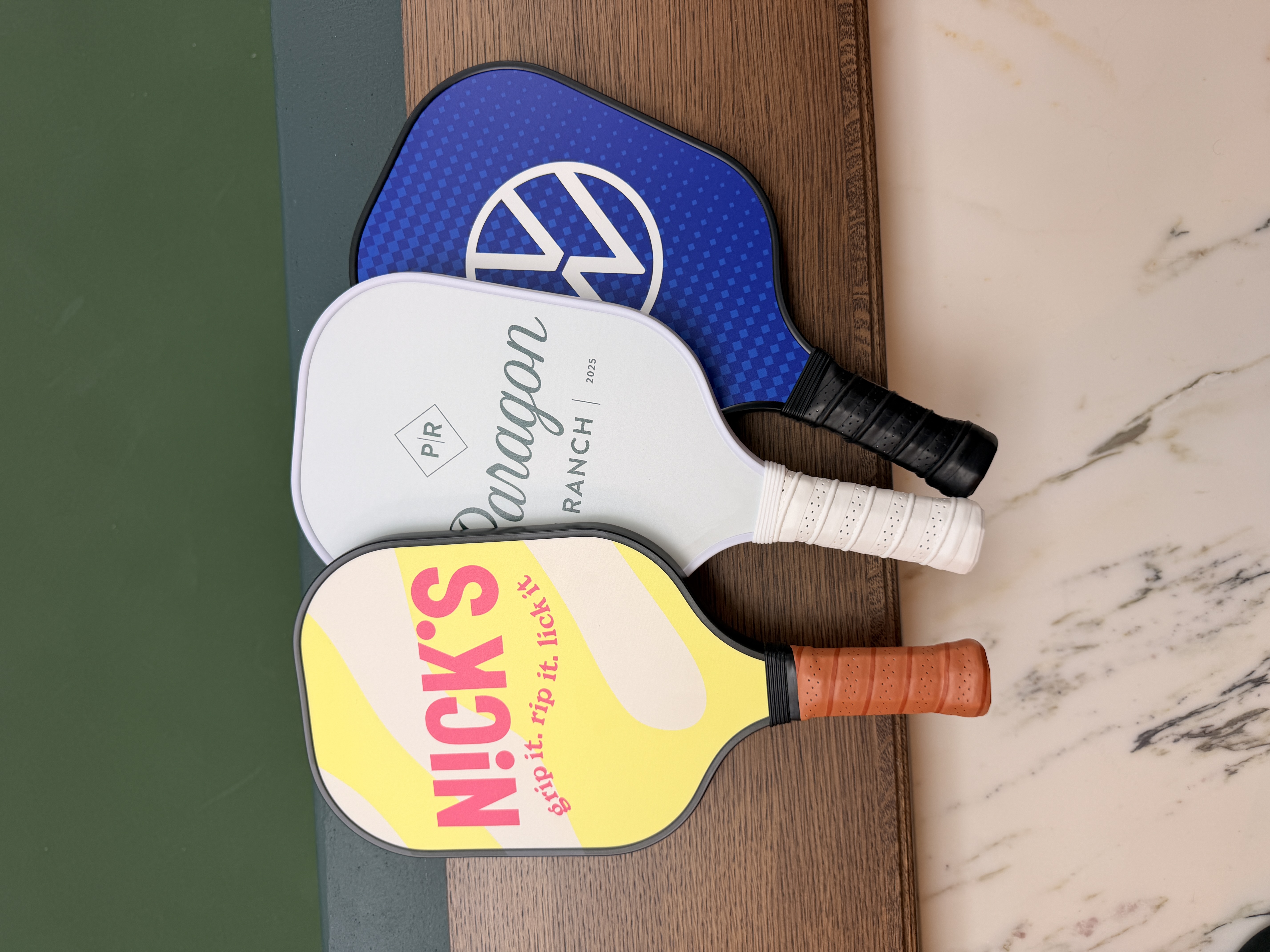
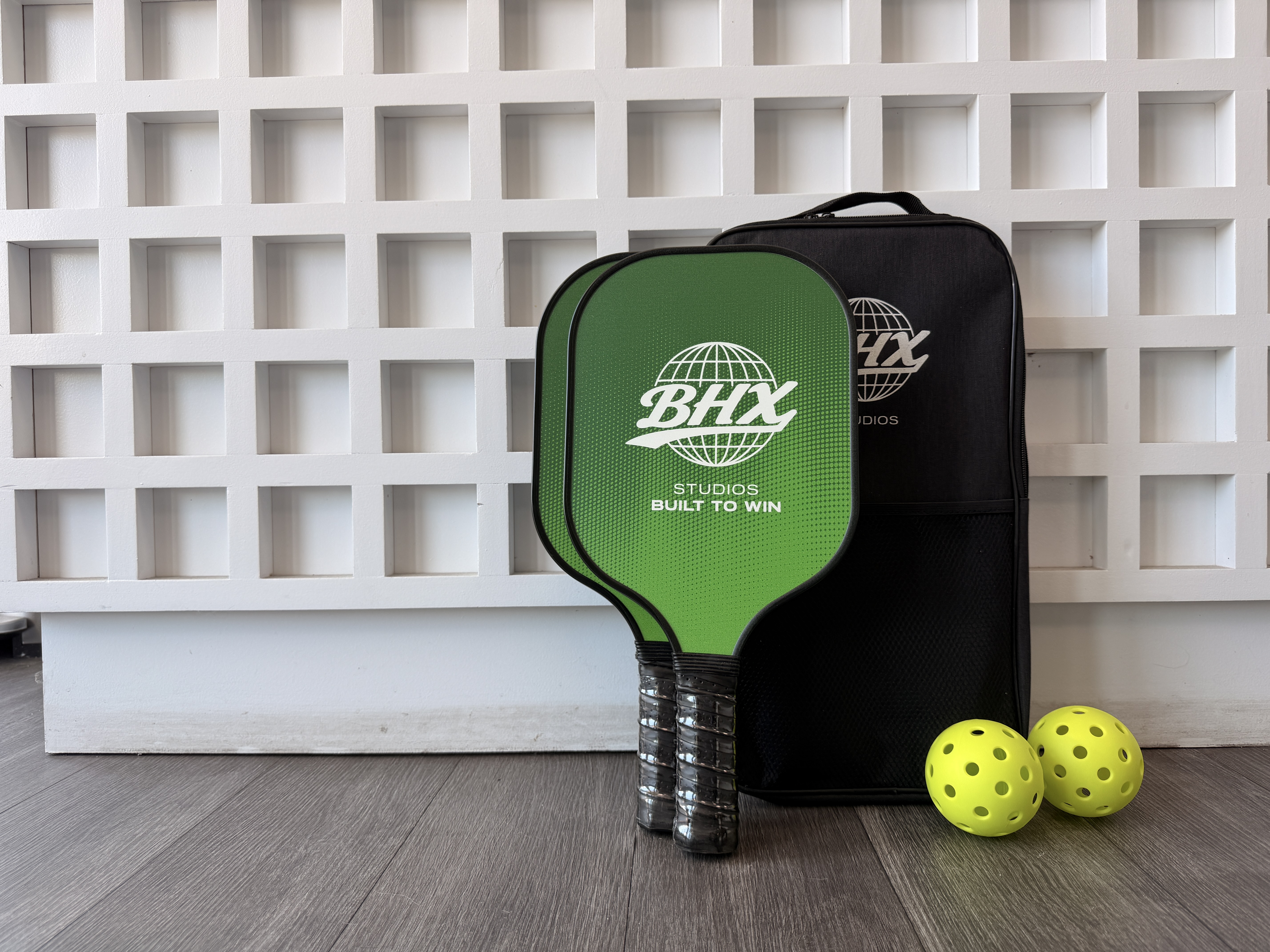
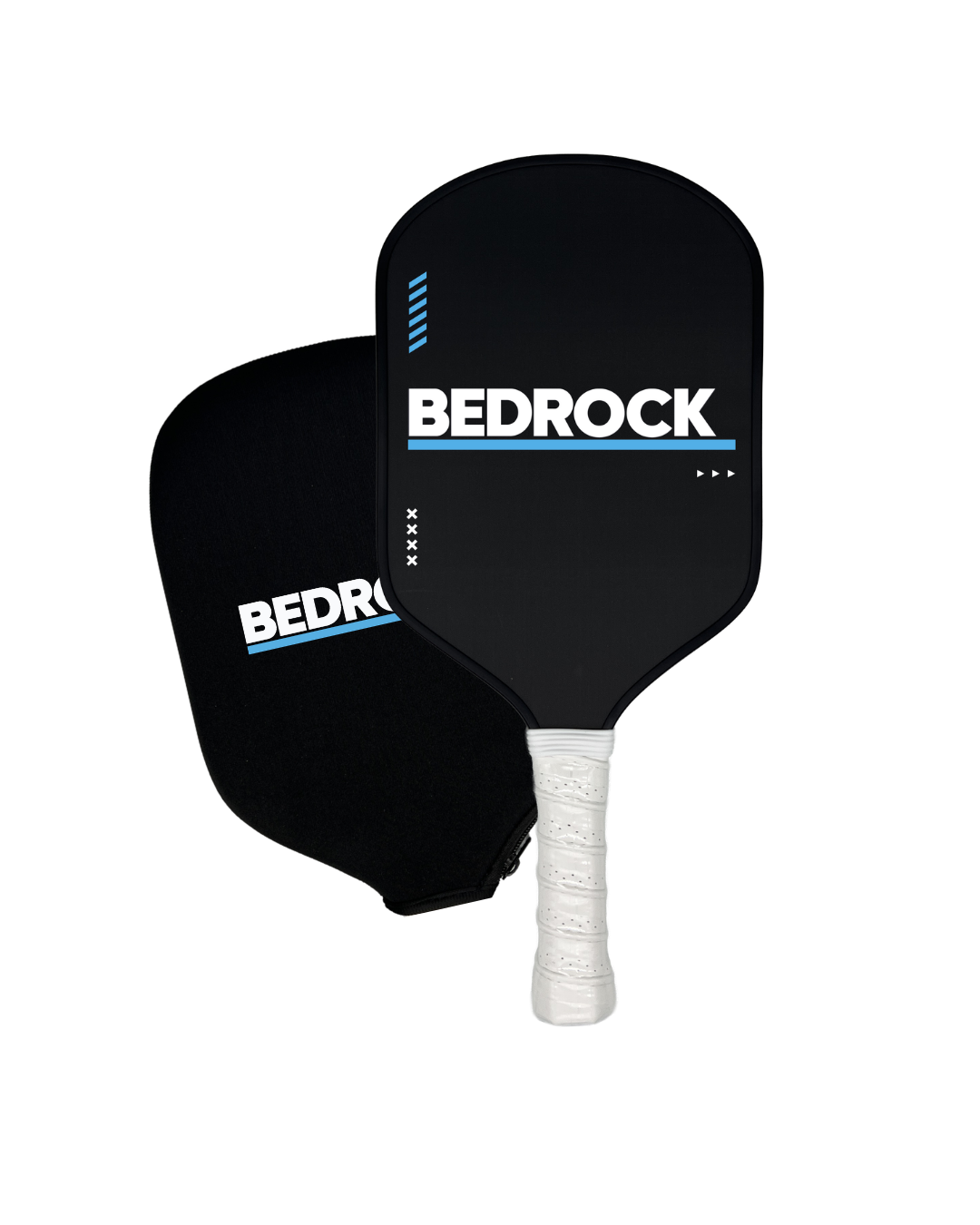
We only use UV printing. It bonds the ink directly into the paddle surface. It is sharp, it is permanent, and it looks professional even after hundreds of matches. Do not sacrifice your brand’s reputation by choosing a cheaper, sticker-based customization process. Your logo needs to last as long as the paddle itself.
If your logo peels off before the grip wears out, you haven't bought gear—you've bought a liability.
Budgeting for Quality Without Overspending
Buying the cheapest option is a losing strategy. When you buy 50+ units, you are looking for a balance between price and longevity. Extremely low-cost paddles typically use inferior resins and weak honeycomb cores that collapse under regular play. You end up replacing the entire fleet twice in one year.
Look at the total cost of ownership. A slightly higher upfront investment in a quality Custom Fiberglass Pickleball Paddle pays for itself in reduced replacement frequency. For a facility, you should expect to pay a premium for durability that justifies a 12-month rotation cycle. If you are planning a, check our pickleball events directory to see what other successful clubs are using in their rotation.
When you are ready to finalize your specs, use our get a quote tool to start the conversation. We can help you balance your budget against your club's specific needs. Design your own custom-branded paddles, balls, and gear