5 min read · 1065 words · 4 images
When physical education departments shift from tennis to pickleball, the equipment needs change instantly. You aren't just buying gear; you are buying survival. Kids are tough on equipment, and school budgets have no room for annual replacements.
Why schools are ditching tennis for pickleball
Tennis is hard to teach. Students spend more time chasing balls than hitting them. Pickleball flips the math. The court is smaller, the ball is slower, and the learning curve is flat. You can fit four pickleball courts into a space that fits one tennis court. More kids playing at once means less standing around.
Tennis balls lose their bounce and gather dirt. They get fuzzy and gross after two weeks in a gym. Plastic pickleballs survive. They don't absorb sweat, they don't lose their shape, and they don't cost a fortune. If you are a facility operator looking to partner with local schools, promoting these efficiency gains is your best sales pitch.
Selecting the right paddle for student use

Do not buy wooden paddles. They are heavy, they warp, and they crack when kids drop them. Polypropylene honeycomb cores are the only choice. They absorb impact, they are lightweight, and they feel like a real sport product. A student who feels like they are using "real" gear will respect the equipment more.
Weight matters. Anything over 8.5 ounces is too heavy for middle schoolers. Keep your orders in the 7.5 to 8.0-ounce range. This reduces fatigue and prevents the "swatting" motion that causes bad form. Also, prioritize edge guards. If the edge guard peels, the paddle is dead. Custom Carbon Fiber Pickleball Paddle options offer the structural integrity schools need.
Custom branding that kids will actually wear
Skip the cheap screen-printed cotton tees. They shrink, they fade, and nobody wears them after gym class. If you want students to represent your program, move to moisture-wicking synthetic blends. They last longer and perform better during high-intensity play.
Placement is everything. If you put a massive, 12-inch logo across the chest, it's a billboard. A subtle logo on the sleeve or the back of the neck is a sign of quality. Students actually want to wear gear that looks like it belongs in a pro shop, not a giveaway bin.
Sourcing kits for PE departments and after-school clubs
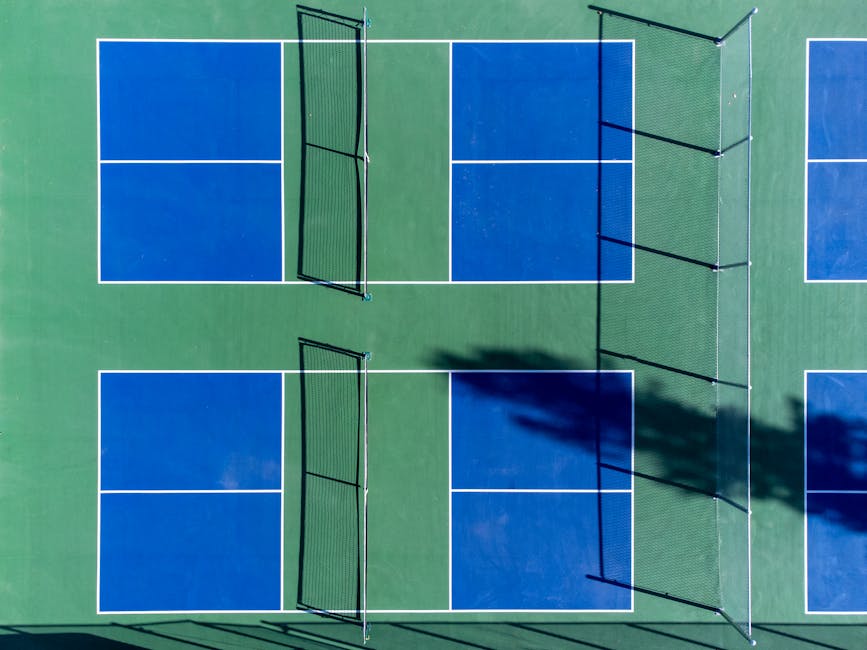
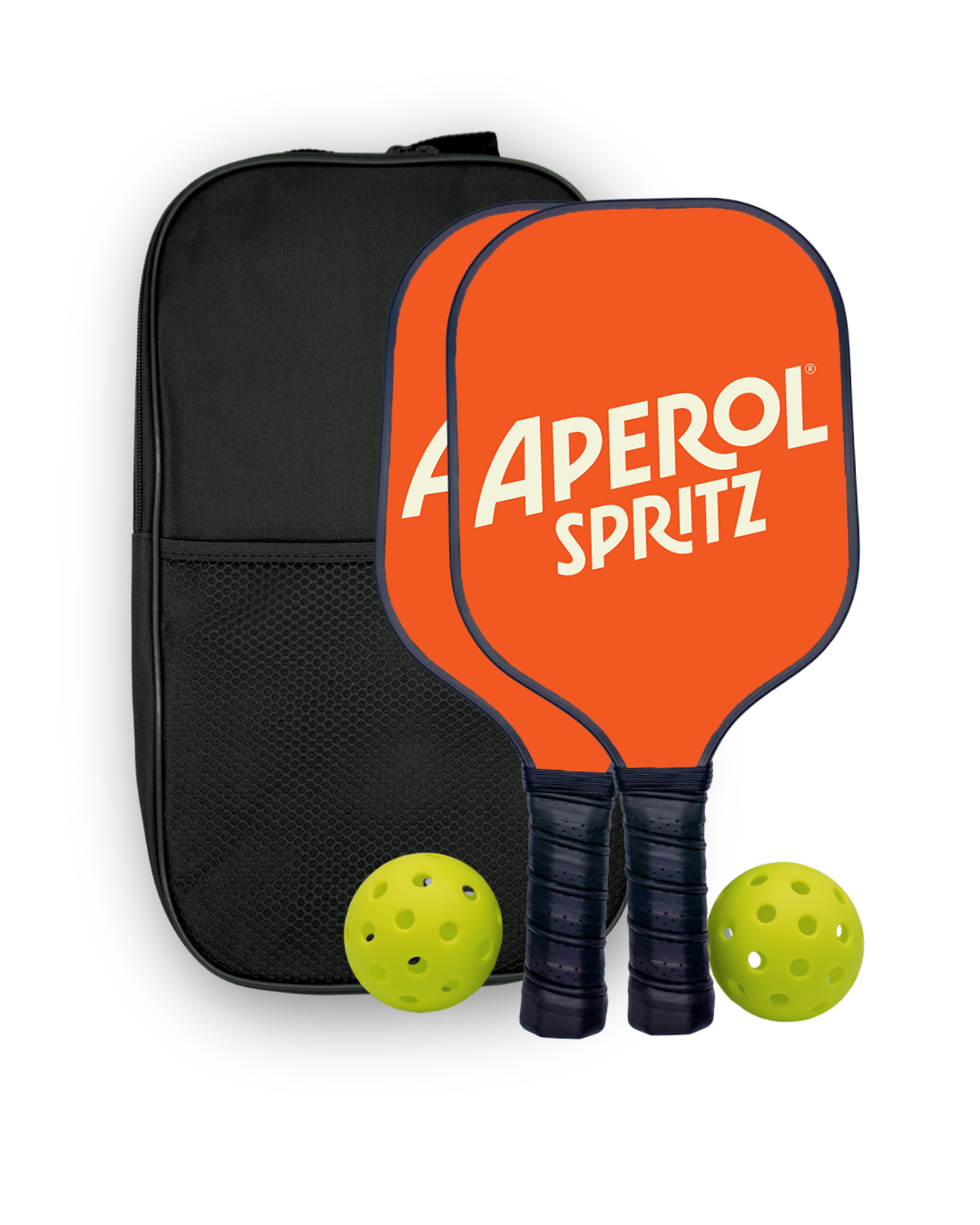
Most schools start with 25 to 50 paddles. This covers a full class rotation with a few spares. Ordering in these quantities allows you to get better unit pricing. Don't forget the balls. Standardize your ball color—use optic yellow for everything. It makes tracking lost inventory on the playground significantly easier.
Storage is the hidden cost. If you don't have a rack or a dedicated bag, your gear will end up in a pile. Piles lead to broken paddles. Invest in heavy-duty storage bags that can hold 20+ paddles at once.
Lead times and seasonal ordering windows
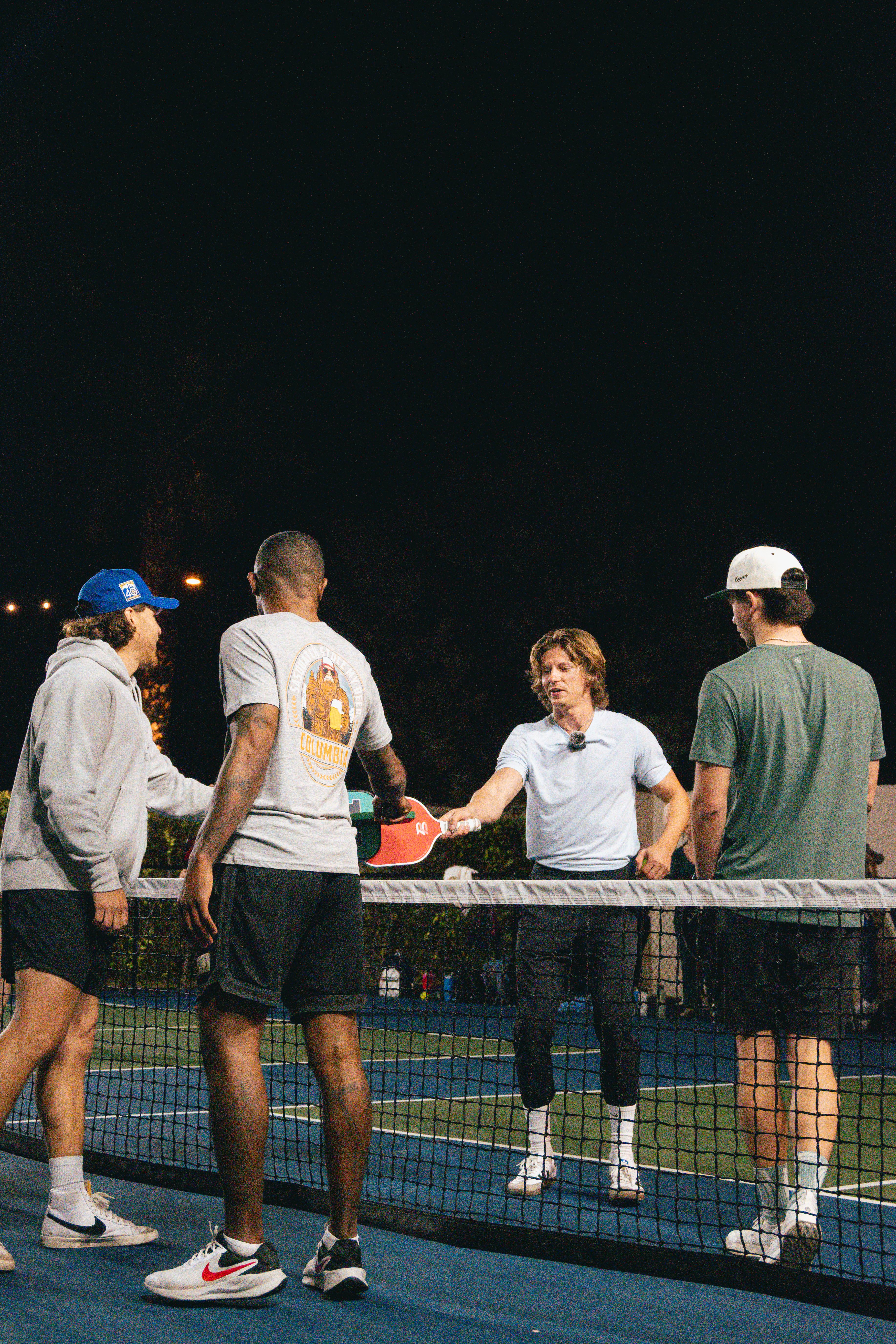
If you're still debating what to get, you still have time. Our production only takes 3-5 business days. Add a few days for shipping and you'll have guaranteed delivery before the first bell rings.
Check the USA Pickleball guidelines for school programs to ensure you aren't deviating from standard court dimensions, which can complicate your equipment setup. Keep your budget lean by focusing on the essentials first: paddles, balls, and a few key apparel items for coaches.
Measuring the success of your school program
You don't need fancy software to track success. Count how many kids show up to the intramural league after the first semester. If that number grows, your program is working. Track your equipment replacement rates. If you are replacing more than 10% of your paddles in the first year, your kids are playing too hard or your gear is too cheap.
Ask the students. Do they like the paddle weight? Does the handle feel too thick? Their feedback will dictate your next order. Don't be afraid to adjust your specs based on what the students actually use, not what you think they should use. Get a quote today to start planning your equipment rollout. Order custom pickleball gear in time for the season